Field notes: the day we chased a patch that turned out to be pumice
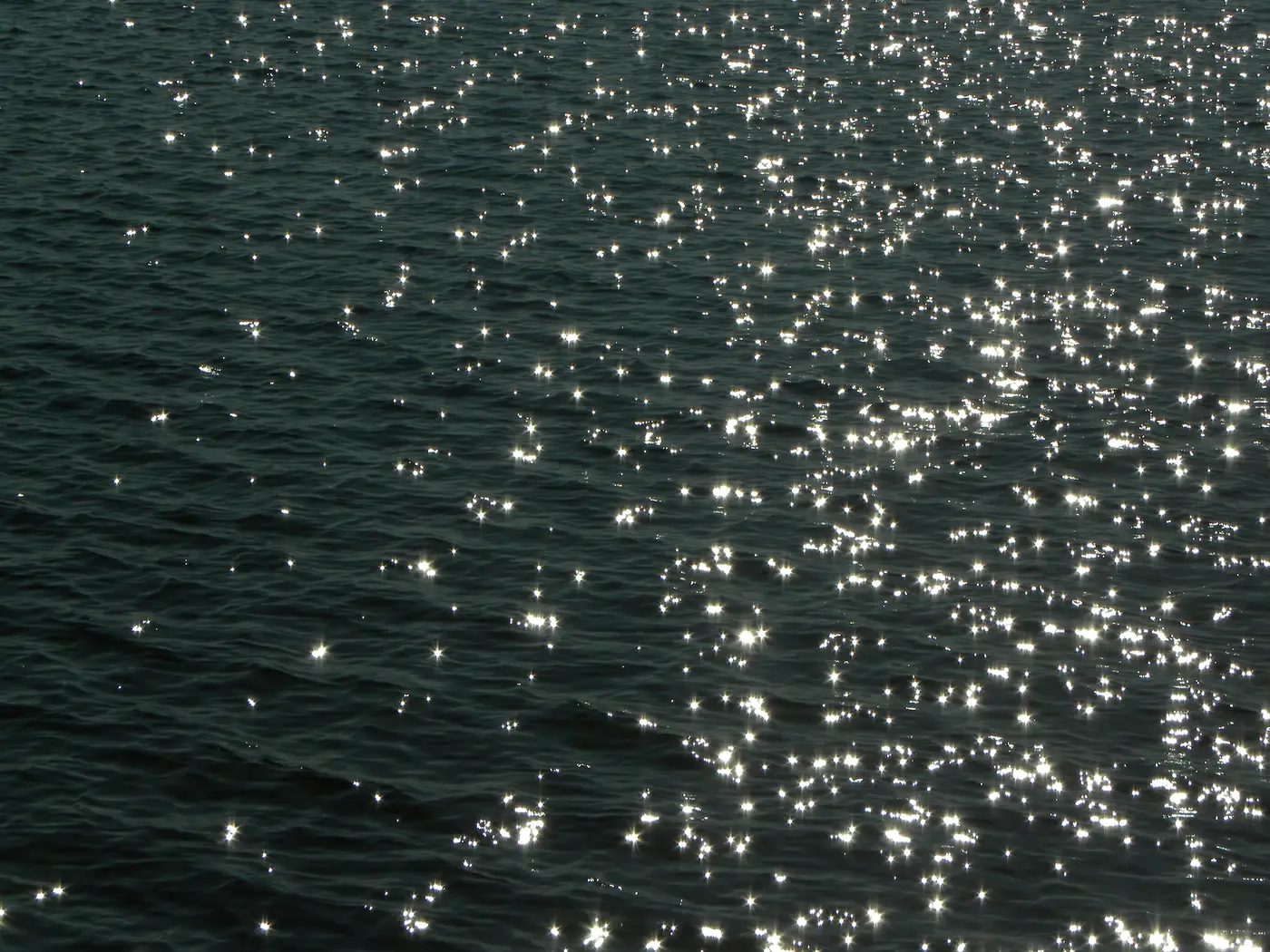
We had a good bearing and bad luck in the same breath. A crew member on watch called out a pale streak off the starboard bow around 0600, long and ropy, catching the early light in a way that read as foam or film. We'd been working a known accumulation zone for three days with nothing to show for it, so the diversion order came fast. Forty minutes of steaming, half a tank of patience, straight toward what we were sure was a debris windrow worth netting.
It was pumice. A raft of it, maybe two hundred meters long, drifting in loose ribbons the same way plastic sheeting does when wind and current line it up along a convergence line. From a distance, over a swell, with the sun low, pumice and weathered polyethylene film can look nearly identical. Both ride high and bright on the surface. Both collect into the same windrow shapes because they're following the same physics, not because they're the same material. Langmuir cells don't care what they're organizing.
Visual spotters have been wrestling with this mix-up for decades, and the problem has only gotten more frequent as pumice events from submarine eruptions keep surfacing in satellite feeds and current models years after the eruption itself. A raft from a 2022 event can still be circulating the Pacific gyres in 2026, breaking into smaller patches, looking fresher than it is. If your debris-sighting network runs on visual reports from fishing fleets or research transects, you're going to get pumice calls mixed in with plastic calls, and there's no way to sort them from a deck.
What actually separates the two, once you're close enough to care, is texture and the way light moves through the material. Pumice is porous volcanic glass. It scatters light differently than a sheet of degraded LDPE or a tangle of ghost net, and in multispectral bands that difference shows up as a distinct signature well before anyone's eyes could catch it. The surface reflectance in the near-infrared especially doesn't lie the way a human squinting across three miles of chop does. That's the whole argument for pulling a spectral read before committing a hull: it's not about seeing better, it's about seeing a different thing than the eye sees at all.
We logged the pumice sighting anyway, because somebody downstream studying ocean-rafted volcanic material would want the coordinates, and because it's good practice to record a false positive as carefully as a real one. But we lost the better part of a working day on it, plus fuel, plus the morale hit of hauling in a net full of rock instead of rope and film. On a short charter, that's not a rounding error.
None of this means visual spotting is worthless. It means it's a first pass, and first passes need a second opinion before you burn diesel chasing one. We've started treating any bright surface anomaly the same way: get a spectral look at it before the vessel turns. If the research side of your work is already doing this, you know the drill. If it isn't yet, Plastic Detection is built around exactly that gap, an early read on where the spectral signature flags floating plastic concentrating, pulled from wide-swath imagery before a crew spends a morning hauling pumice over the rail.
The patch is still out there somewhere, drifting toward whatever shoreline it's headed for next. We'd know it if we saw it again. We'd also know not to turn the boat.
If you want a read on your next patch before you commit the vessel, that's the whole point of the Plastic Detection early-access map.